The Lawn Guide SF
Homeowners
Actually Trust.
We know why your Sunset District lawn browns every August — and what the marine layer actually does to fescue roots come October.
"Finally, a lawn service that understands fog isn't just weather — it's a soil condition. Turf is the crew that actually knows San Francisco."
— Sunset Magazine, Western Garden Feature 2025
We bought our house on Sanchez Street thinking we just needed to water more. Turns out the clay under our lawn was holding water like a bathtub — roots were rotting, not drying out. Turf diagnosed it in ten minutes.
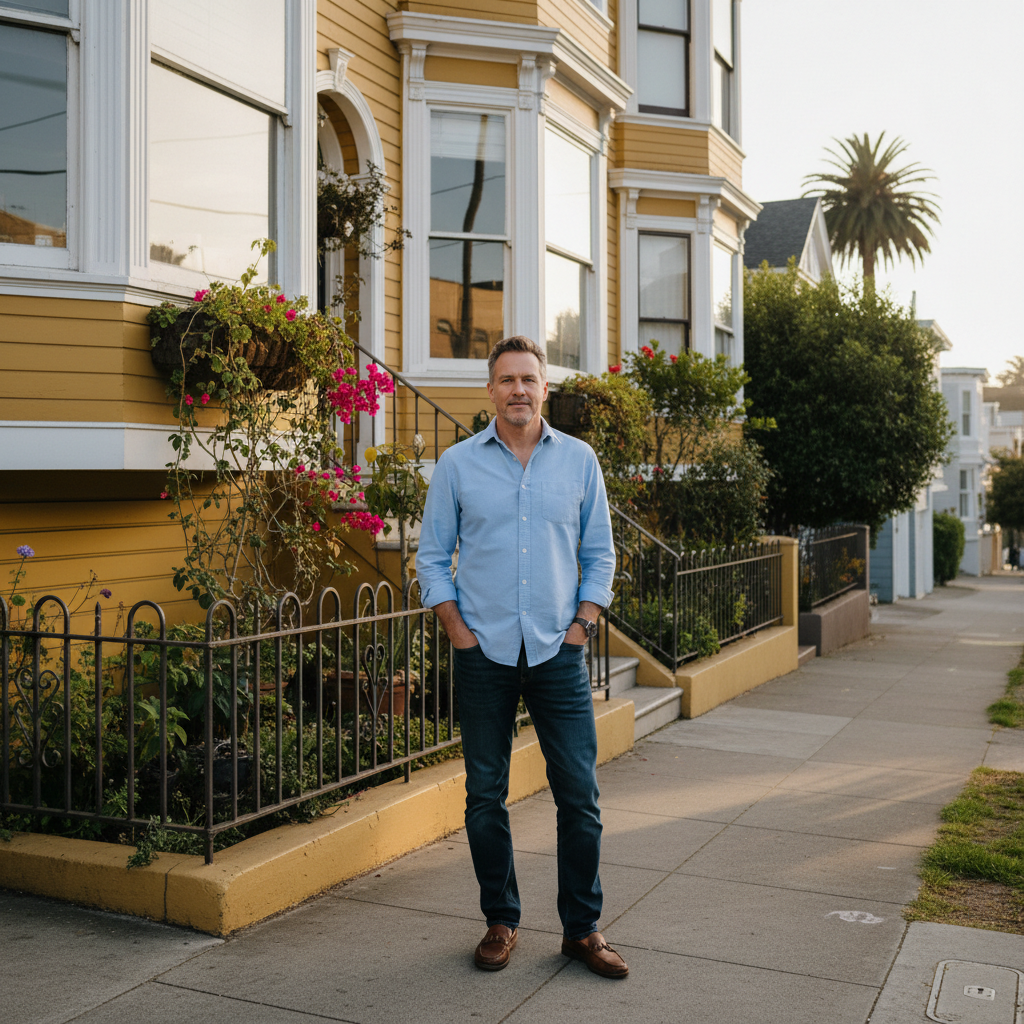
Marcus & Priya Chen
Noe Valley · First-time homeowners
Field Notes
San Francisco Has Seven Distinct Microclimates.
Yours is one of them.
The marine layer that rolls in from Ocean Beach hits the Sunset 80 nights a year more than it hits Potrero Hill. That's not a metaphor — it's a soil moisture differential that changes which grass species survives and which one quietly dies by Labor Day.
Outer Sunset / Richmond
Marine layer 200+ days/yr. Cool-season grasses only. Fescue thrives, Bermuda fails.
Noe Valley / Glen Park
Warm pockets, clay-heavy soil. Drainage is the primary issue, not water.
Potrero Hill / Bernal
Most sun in SF. Drought-tolerant mixes viable. Watch summer heat stress.
Cole Valley / Haight
Fog corridor with afternoon clearing. Transition zone — needs seasonal adjustment.
Pacific Heights / Marina
Wind exposure dries surface fast. Deep watering beats frequent shallow.
Excelsior / Outer Mission
Warmer, less fog. More aggressive growth cycles. Mow every 10 days May–Sept.
Inner Sunset / UCSF
Perpetual cool-damp. Fungal pressure highest. Aerate twice yearly minimum.
We identify your microclimate before touching a single blade. It changes everything we recommend.
Ready when you are
Your lawn has a specific problem.
We already know what it is.
Tell us your neighborhood and we'll tell you exactly what's wrong — before you spend a dollar.
Field Manual
When to Aerate an SF Lawn.
The calendar most guides get wrong.
National lawn care advice is written for the Midwest. In San Francisco, the fog season, clay density, and cool-season grass cycles create a completely different rhythm — one most generic services miss entirely.
February
Pre-season core aeration
Clay soil compacts over winter. Break it before the growing season starts.
May–June
Overseeding window
Soil temps hit 55°F. Fescue germinates reliably. Fog keeps moisture even.
August
Do nothing — seriously
Dormancy isn't death. SF lawns brown in August. Watering more makes it worse.
October
Second aeration + top-dress
Marine layer drops. Roots need air before cold sets in. Best ROI of the year.
December
Soil amendment window
Rain softens clay. Compost top-dress now works 3× harder than spring applications.
We schedule every job around this calendar. No upselling off-season services that don't work here.
I manage four Victorians in the Richmond. Before Turf, I was spending $2,200 a year on re-seeding that never took. Three months in, the front beds on California Street looked better than the neighbors who pay twice what I do. Two tenants mentioned it when renewing.

David Okonkwo
Richmond District · Landlord, 4 units
We both work full-time, we have a toddler, and our Glen Park backyard was embarrassing. We didn't want a lush lawn — we wanted a lawn that wasn't dying. Turf set up a routine that runs itself. I haven't thought about it since April.

Anita & Tom Reyes
Glen Park · Homeowners since 2022
Field Notes
Green Without Guilt.
What SF's drought rules actually mean for your lawn.
San Francisco's cool-season grasses need far less water than you think — and overwatering is the single most common mistake we see. The marine layer deposits measurable moisture. Your irrigation timer probably doesn't know that.
Marine Layer = Free Irrigation
June–September fog deposits 0.1–0.3 inches of moisture per week in the Sunset. Factor this in before your sprinklers fire.
Clay Soil Holds Water 3× Longer
Most SF yards sit on clay. Water less frequently, deeply. Twice-weekly short cycles create the exact root rot conditions you're trying to avoid.
Brown in August is Normal
Cool-season fescue goes semi-dormant in summer heat. It will green again in October. Don't overseed in August — it won't take.
Ready when you are
Your lawn has a specific problem.
We already know what it is.
Tell us your neighborhood and we'll tell you exactly what's wrong — before you spend a dollar.